Small rooms often feel cramped, but thoughtful design choices can make them appear more spacious and inviting. Using light colors, maximizing natural light, and selecting appropriately sized furniture are key strategies to make a room feel larger. These tactics help open up the space visually without requiring major renovations.
In addition to color and lighting, clever use of mirrors and strategic storage can enhance a small room’s openness. By minimizing clutter and reflecting light, mirrors create the illusion of depth, while smart storage solutions free up floor space.
Understanding these design principles allows anyone to improve the feel of a small room efficiently. This article will explore practical tips that work together to expand the perceived size of any limited area.
Strategic Color and Lighting Choices
Effective color and lighting decisions can significantly influence how spacious a small room feels. Using the right hues and maximizing available light sources helps open up small spaces visually. Reflective elements also contribute by bouncing light and expanding perceived boundaries.
Selecting a Cohesive Color Palette
Choosing a coordinated color palette creates visual harmony that makes the room feel more open and less cluttered. Light, neutral tones such as soft grays, beige, and off-whites work well as base colors. They reflect light and minimize harsh contrasts, which can visually fragment space.
Adding subtle accent colors in pastel or muted tones can bring depth without overpowering the room. Avoid bold or dark colors on large surfaces as they tend to absorb light and shrink the feeling of space.
Using similar shades across walls, ceilings, and floors provides continuity. This seamless flow reduces visual breaks and supports the illusion of a larger area.
Optimizing Natural and Artificial Light
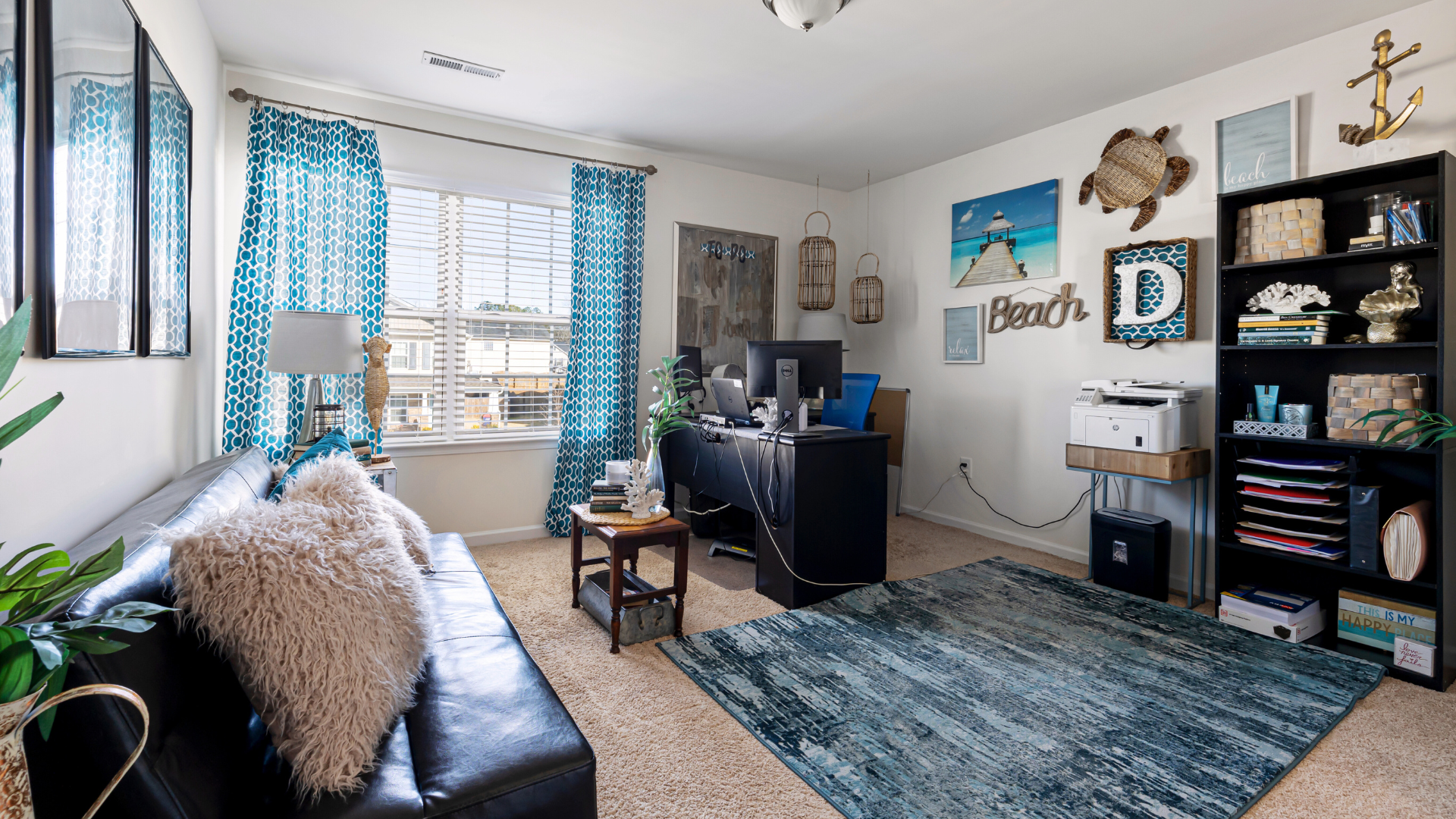
Maximizing natural light is crucial in small rooms. Positioning mirrors across from windows reflects daylight deep into the space, increasing brightness. Keeping window treatments minimal or sheer allows more light to enter.
Artificial lighting must be layered for function and ambiance. Use a combination of overhead lights, task lighting, and accent lights. Choose bulbs with a daylight or soft white color temperature around 2700-3000K to maintain warmth without dullness.
Avoid overly directional lighting that creates harsh shadows. Instead, diffuse light evenly across the room to prevent dark corners that contract the space visually.
Utilizing Light Colors and Reflective Surfaces
Light colors inherently brighten interiors by reflecting more light than dark shades. Painting ceilings white or very pale shades raises the eye and gives the impression of height. Light-colored furniture and rugs reinforce this effect.
Incorporating reflective surfaces such as glass, mirrors, or glossy finishes multiplies light sources. A strategically placed mirror can double the natural light and visually widen tight areas.
Metallic or lacquered finishes on furniture and décor add subtle reflections without overwhelming the design. Reflective materials should be balanced to avoid glare but used enough to enhance the feeling of openness.
Visual Expansion Techniques for Small Rooms
Effective use of reflective surfaces, vertical elements, and carefully chosen patterns can significantly increase the perception of space. These design strategies focus on creating depth, height, and openness without adding physical area.
Incorporating Mirrors to Enhance Space
Mirrors are a fundamental tool to boost visual space in small rooms. Placing large mirrors opposite windows reflects natural light, making the room feel brighter and more open.
Mirrors on walls adjacent to seating areas create the illusion of extended space by visually doubling the room’s dimensions. Frameless or minimal-frame mirrors avoid interrupting sightlines, helping maintain a seamless effect.
For additional impact, mirrored furniture or mirrored panels can be used strategically. However, mirrors should be positioned to avoid reflecting clutter, which can overwhelm the space.
Maximizing Vertical Space and Height
Utilizing vertical space draws the eye upward, making ceilings appear higher and the room larger. Tall shelves installed close to the ceiling emphasize height while providing storage without crowding the floor.
Choosing floor-to-ceiling curtains or vertical stripes on walls can add to the perception of height. Light-colored paint on upper walls and ceilings also amplifies this effect by enhancing light distribution.
Wall-mounted lighting fixtures and hanging plants keep floor space clear while adding vertical interest. These details help avoid a cramped feeling and encourage a more open atmosphere.
Choosing Patterns for Openness
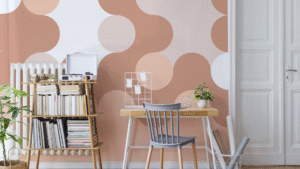
Patterns influence how a room feels; the right ones enhance openness, while wrong choices can clutter small spaces. Horizontal stripes widen the room visually, while subtle geometric patterns add texture without overwhelming.
Large-scale patterns may overpower small rooms, so smaller, sparse designs work best. Use patterns in moderation on rugs, cushions, or accent walls to avoid visual clutter.
Light-colored backgrounds with soft, contrasting patterns keep rooms airy. Combining these patterns with neutral tones ensures the room maintains a balance between detail and spaciousness.
Furniture, Decor, and Window Treatments
In small rooms, choosing the right furniture, decor, and window treatments is crucial to enhancing space and light. Prioritizing proportional pieces, light materials, and thoughtful arrangements can create a more open, airy feel.
Selecting Proportional Furniture
Furniture size directly affects how spacious a room feels. Pieces should fit the room without crowding it. Opt for low-profile sofas and chairs that don’t block sightlines or overwhelm the floor space.
Multi-functional furniture, like ottomans with storage or foldable tables, helps reduce clutter. Avoid bulky designs; instead, choose furniture with exposed legs. This creates visual openness by showing more floor area under the pieces.
Light-colored upholstery or transparent materials also reduce the visual weight of furniture in small spaces. A proper scale maintains balance, preventing the room from feeling cramped.
Using Sheer Curtains for Airiness
Sheer curtains allow natural light to penetrate deeper into the room while maintaining privacy. Their light fabric adds softness without adding visual bulk, essential for small rooms.
Mount sheer curtains close to the ceiling and extend them beyond the window frame to create an illusion of height and width.
Avoid heavy drapes or dark colors, which absorb light and make the space feel smaller. Sheers also encourage airflow and keep the interior feeling fresh and open.
Incorporating Glass and Minimalist Decor
Glass furniture—like coffee tables, desks, or shelving—reduces visual clutter by allowing the eye to pass through. This transparency helps maintain an open atmosphere.
Minimalist decor focuses on essentials, cutting down excess objects that crowd small spaces. Simple lines, neutral colors, and unadorned surfaces highlight the room’s dimensions instead of hiding them.
Mirrors are another important element in minimalist small room design. They reflect light and can double the perception of space when placed strategically.
Arranging and Selecting Artwork Thoughtfully
Artwork choice and placement impact perceived room size. Select pieces that complement the wall color and don’t overwhelm the space with bold, busy patterns.
Single large artworks or grouped smaller pieces arranged in orderly grids help give walls structure without clutter. Hanging art at eye level elongates walls and balances proportions.
Avoid overcrowding walls with too many frames. Well-spaced, thoughtfully chosen artwork can add depth and character, making the room feel larger without excessive decoration.
Flooring and Finishing Touches
The use of appropriate flooring and carefully chosen accessories can significantly influence how spacious a small room feels. Attention to continuity, color, and scale is essential to maximize visual space.
Choosing the Right Flooring for Flow
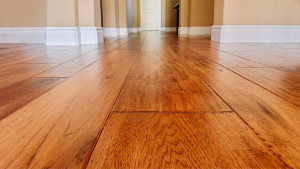
Selecting flooring with a consistent color or pattern helps create a sense of flow throughout a small room. Light-colored, smooth surfaces like pale wood or large-format tiles reflect more light, making the space feel open.
Avoid small, busy patterns or contrasting floorboards that break visual continuity. Installing flooring that runs in the direction of the longest wall can lengthen the appearance of the room.
Glossy finishes can increase light reflection but should be balanced with slip resistance. Area rugs should be minimal and in light, neutral tones to avoid visually cutting the floor into smaller sections.
Curating Accessories for Visual Balance
Accessories should complement the space without overcrowding it. Opt for a few well-placed items like mirrors, which amplify natural light and expand visual boundaries.
Use furniture and decor with clean lines and low profiles to prevent visual heaviness. Choose items in similar tones to the walls and floor to maintain a cohesive look.
Limit bold colors or overly complex patterns in accessories, as these draw attention and can make the room feel cluttered. Instead, select subtle textures and harmonizing accents to enhance the overall spacious feel.