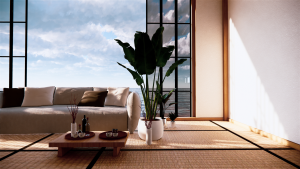
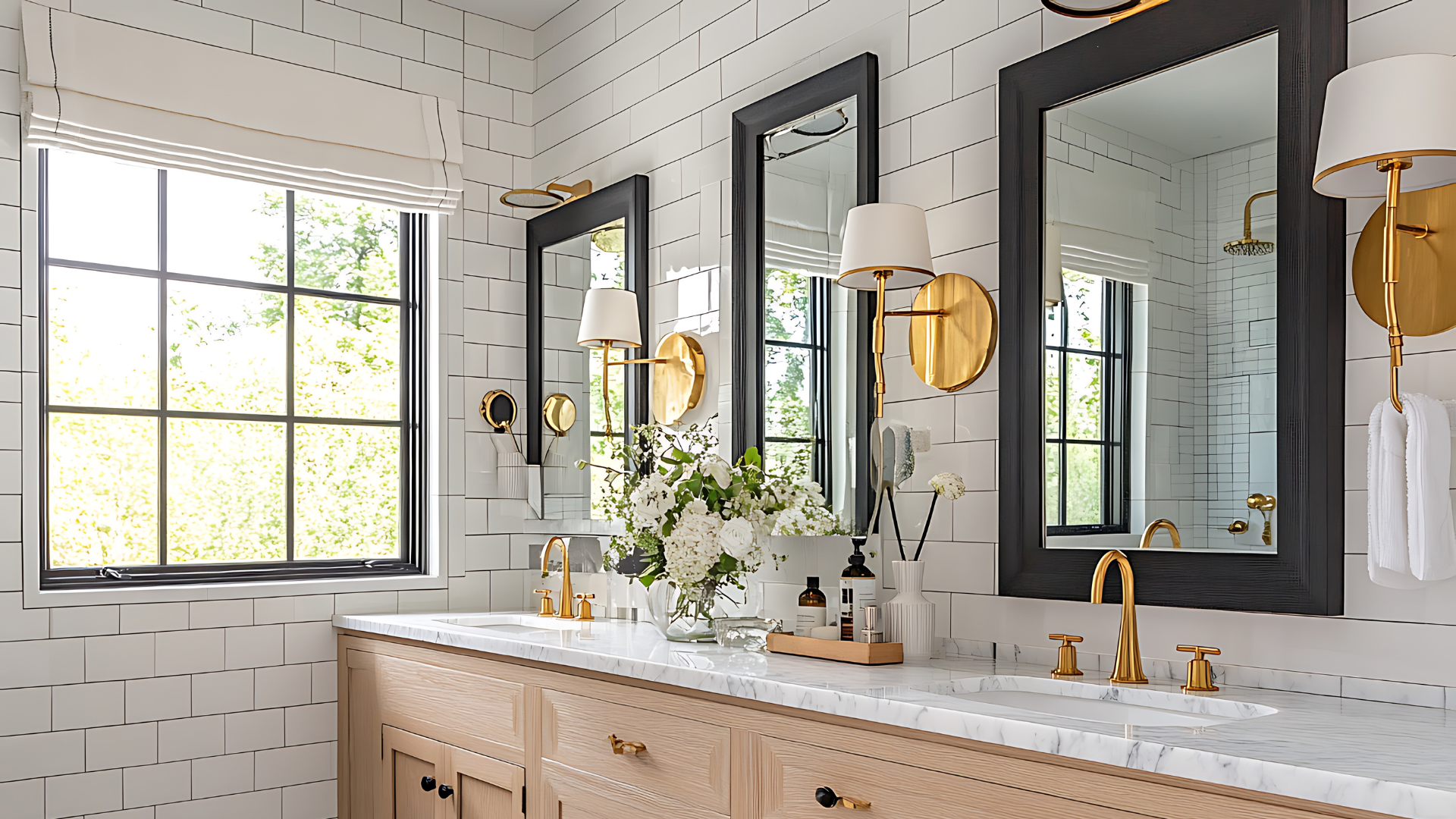
Mirrors are a simple yet effective tool in home decor to enhance light and create a sense of spaciousness. By strategically placing mirrors, interior design can transform even small or dark areas into brighter, airier spaces.
Using mirrors to reflect natural and artificial light is a key method to visually expand rooms and improve brightness. Their placement opposite windows or light sources maximizes this effect, making interiors feel more open and inviting.
Incorporating mirrors into various styles of home decor also adds depth and interest without taking up physical space. This makes them a versatile choice for anyone looking to improve both the function and look of a room.
Maximizing Light with Mirrors
Mirrors can dramatically increase the brightness and sense of space in a room when used with intention. Proper placement and understanding how light interacts with reflective surfaces are key to enhancing both natural and artificial light.
Reflecting Natural Light
To maximize natural light, position mirrors opposite or adjacent to windows. This setup captures sunlight and reflects it deeper into living rooms, bedrooms, or entryways, increasing brightness throughout the day.
Large mirrors work best for reflecting natural light as they cover more surface area. Placing a mirror across from a window in dining rooms amplifies daylight, creating a more open and airy atmosphere.
Avoid placing mirrors where they reflect dark walls or cluttered spaces, as this reduces the positive effect. Instead, focus mirror placement to bounce light toward dark corners or hallways.
Strategic Mirror Placement for Illumination
Mirror placement should complement the room’s layout and light sources. In narrow entryways, a vertical mirror can visually widen the space while capturing available light.
In living rooms, placing mirrors near light-colored walls helps distribute reflected light evenly. Position mirrors at eye level or slightly higher to catch and direct light effectively.
Using clusters of smaller mirrors in a pattern can also create multiple reflections, breaking up light sources to brighten a room without overwhelming the wall space.
Amplifying Artificial Light Sources
Mirrors can enhance artificial lighting by reflecting lamps, chandeliers, or sconces. Position mirrors adjacent to light fixtures to increase their output and spread in dining rooms and bedrooms.
For best results, place mirrors at angles that allow light to bounce toward darker parts of the room. Avoid direct glare by slightly offsetting the mirror from the fixture’s direct line.
Colored or textured backdrops behind mirrors can soften the reflected light, making artificial sources appear warmer and more inviting. This is especially useful in spaces with limited natural light, like hallways and entryways.
Creating the Illusion of Space
Mirrors can significantly change how spacious a room feels by reflecting light and providing views beyond walls. Proper size, style, and positioning are essential to maximize their effect on any area.
Large Mirrors for Depth
Large mirrors add depth by visually doubling the space where they are placed. A floor mirror or a full-length mirror against a wall creates an extended view that tricks the eye into perceiving more room.
Mirrored closet doors serve a dual purpose: they reflect the room while functioning as door panels, instantly opening up cramped spaces.
Positioning is key. Placing a large wall mirror opposite a window increases natural light and enhances the sense of space. It is advisable to avoid clutter around large mirrors, as reflections of mess reduce their effectiveness.
Enhancing Small Rooms and Hallways
Small rooms and narrow hallways benefit from mirrors that amplify light and expand perceived dimensions. A narrow wall mirror aligned with lighting can give hallways more depth.
In compact spaces, small to medium-sized wall mirrors work best when placed opposite a light source. This reflects light into darker corners and reduces visual boundaries.
Mirror placement ideas include grouping several mirrors or pairing mirrors with bright wall colors to enhance brightness and space perception. Avoid overwhelming small walls with oversized mirrors that may crowd the room visually.
Visual Tricks with Multiple Mirrors
Using multiple mirrors creates layered reflections that further stretch visual boundaries. Grouping mirrors of various shapes or sizes on one wall offers interesting perspectives and dynamic depth.
Arranging mirrors in a grid or clustered pattern near a light source multiplies light and reflects different room angles. This technique works well in living rooms and dining areas, seeking a spacious feel.
Careful selection ensures the mirrors complement each other without creating confusing reflections. Strategic overlap or spacing prevents visual clutter, maintaining a balanced illusion of expanded space.
Choosing Mirror Types and Styles
Mirrors vary widely in form and function, impacting how they enhance light and space. Considering size, placement, and design helps maximize their effect in a room. Different types suit specific purposes, from expanding small areas to adding decorative appeal.
Wall Mirrors vs. Floor Mirrors
Wall mirrors are versatile and save floor space, making them ideal for most rooms. They reflect light effectively when hung opposite windows or light sources. Large wall mirrors can visually expand tight spaces and act as focal points without cluttering.
Floor mirrors are typically larger and lean against walls, adding height and dimension. They work well in bedrooms or entryways where floor space allows. Their size helps reflect full-body images and deeper room views, but requires a spot with enough clearance.
Choosing between wall and floor mirrors depends on room layout, usage, and space available. Wall mirrors offer flexibility in height and are easier to mount, while floor mirrors bring presence and style to open areas.
Selecting Mirror Shapes and Frames
Shape influences how a mirror fits a room’s style and function. Round mirrors soften angular spaces and create balanced focal points. Rectangular or square mirrors emphasize clean lines and complement modern or minimalist décor.
Frames contribute significantly to the mirror’s character. Framed mirrors bring texture and color, available in metal, wood, or painted finishes. Frameless mirrors provide a sleek, unobtrusive look that blends seamlessly with walls, ideal for contemporary spaces.
Choosing frames involves consideration of room style and durability. For bathrooms, moisture-resistant materials are essential. In living spaces, ornate or rustic frames make mirrors part of the décor, enhancing aesthetic appeal beyond simple reflections.
Decorative and Statement Mirrors
Decorative mirrors serve both practical and artistic purposes. Statement mirrors often have oversized dimensions or intricate designs that command attention. They can act as art pieces, with unique shapes or detailed borders.
Adding a statement mirror behind furniture or on a large blank wall can redefine a space. These mirrors are typically framed with bold colors, textures, or metallic finishes. The focus is on style as much as on increasing light and space.
Decorative mirrors improve room depth and often combine function with embellishment. They work well in living rooms, halls, and dining rooms where visual interest is key, without sacrificing reflectivity.
Mirror Tiles and Panels
Mirror tiles and panels allow for creative wall applications that enhance spatial perception. They can cover entire walls or sections, reflecting light from multiple angles. This technique is common in bathrooms and kitchens.
Tiles come in various sizes and finishes, including beveled edges and tinted glass, creating textured visual effects. Panels can be framed or frameless and are used to mimic windows or extend views.
Installing mirror tiles or panels requires precise alignment for a seamless look. They are effective for brightening dark areas and adding architectural interest with patterns or grids. This style suits modern interiors seeking functional yet decorative solutions.
Mirror Placement Tips by Room
Strategic mirror placement can enhance light and create a sense of space tailored to the function of each room. Paying attention to light sources, focal points, and room layout is vital for effective results.
Living Room Strategies
In living rooms, mirrors should be placed opposite windows to maximize natural light reflection. This helps brighten the space and make it feel larger.
Positioning a large mirror above a sofa or fireplace creates a central focal point and adds depth. Avoid placing mirrors where they reflect clutter or dark areas.
Using multiple small mirrors on a feature wall can add texture and interest without overwhelming the room. Consider frames that complement the existing décor for cohesion.
Bedroom Mirror Ideas
Full-length mirrors are practical in bedrooms, ideally near a window to catch daylight for dressing. Placing them on closet doors saves space and enhances functionality.
Mounted above dressers, horizontal mirrors reflect light and visually expand the room. Avoid positioning mirrors directly facing the bed, as it can disrupt a restful ambiance.
Mirrors with integrated lighting can improve makeup application and grooming tasks by providing clearer illumination in the bedroom.
Entryways and Hallway Enhancements
Entryways benefit from mirrors that open up confined spaces. A tall mirror next to the door offers one last check before leaving.
In narrow hallways, placing a mirror at the end creates an illusion of depth and prevents a tunnel effect. Wall-mounted or slim-profile mirrors avoid crowding small areas.
Choosing mirrors with decorative frames in entryways also adds personality, making the area inviting and functional.
Dining Room Applications
Mirrors in dining rooms reflect chandelier or wall sconce light, enhancing the ambiance during meals. Positioning mirrors opposite or adjacent to light sources maximizes this effect.
Placing a mirror above a buffet or sideboard balances the room and offers practical use. It also doubles visual space without taking up floor area.
Mirrors with subtle metallic or glass frames integrate well into dining settings, maintaining elegance without overpowering the décor.