
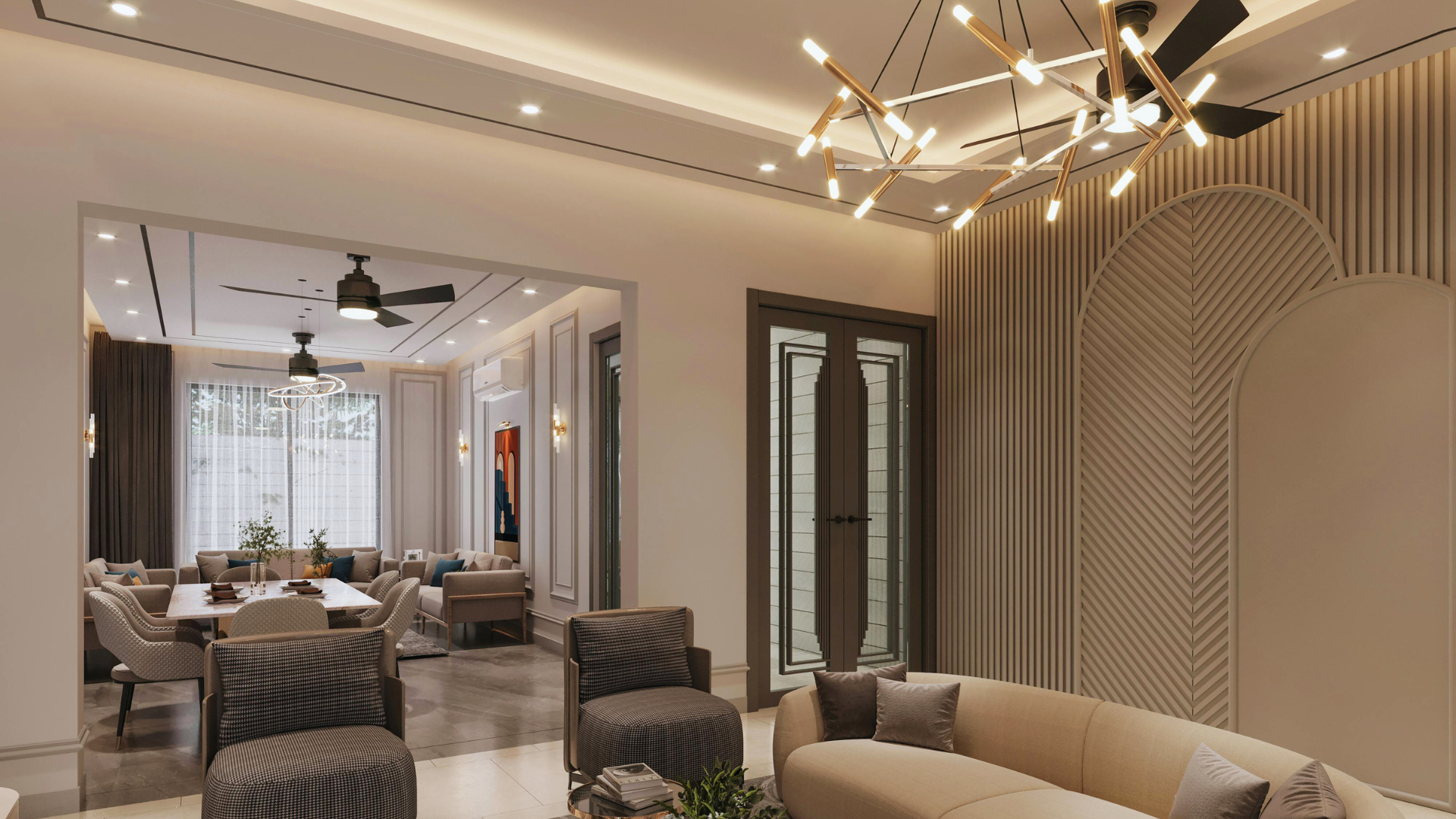
Lighting shapes the atmosphere and functionality of any space. Using lighting as a design feature means carefully selecting and placing light sources to highlight architectural elements, create mood, and enhance the overall aesthetic.
Effective lighting design balances natural and artificial light, using direction, intensity, and color to draw attention and add depth. Thoughtful placement of fixtures can transform ordinary rooms into dynamic environments.
Designers consider layers of light—ambient, task, and accent—to meet different needs while maintaining visual interest. Knowing how to manipulate these layers helps achieve both beauty and practicality in interior spaces.
The Essentials of Lighting as a Design Feature
Lighting affects how people perceive a space by shaping form and highlighting key design elements. Effective lighting design balances function and aesthetics, using different types and layers of illumination to create depth and focus.
Defining Lighting’s Role in Design
Lighting serves multiple purposes beyond mere illumination. It defines and enhances the form of architectural elements and interior features, making spaces appear larger, smaller, warmer, or cooler. Proper lighting directs attention, influences mood, and establishes a sense of scale.
In interior design, lighting transforms flat surfaces, creating contrast and texture that reveal spatial relationships. It integrates with other design components, such as color and materials, to produce a cohesive environment.
The Interplay of Light, Form, and Space
Light interacts with form by casting shadows, highlighting contours, and creating patterns that add visual interest. This relationship influences how space is experienced and navigated. For example, strong directional lighting can emphasize structural columns or wall textures.
Spatial perception changes depending on how light is distributed. Even illumination can flatten a space, while contrast can define zones and encourage movement. Lighting design requires understanding how light modifies the physical environment and guides occupants.
Lighting Layers: Ambient, Task, and Accent
Lighting design often relies on three layers to achieve balanced illumination:
- Ambient lighting provides overall light, ensuring spaces are safely and comfortably lit.
- Task lighting focuses on specific activities, such as reading or cooking, with brighter, directed illumination.
- Accent lighting highlights architectural details or artwork, adding depth and visual focus.
Combining these layers allows flexibility and adaptability in interior design, shaping mood and functionality according to user needs.
Types of Lighting and Their Design Impact
Lighting affects both the feel and function of a space. Different types influence mood, focus, and visual interest through varying intensity, direction, and placement.
Ambient Lighting for Overall Atmosphere
Ambient lighting provides the base layer of illumination in any room. It creates a uniform brightness that fills the space without harsh shadows or glare.
Common sources include ceiling-mounted fixtures, recessed lights, and diffused lamps. This type of lighting sets the general tone and helps users navigate the environment safely.
Its intensity should be balanced to avoid overly bright or dim areas. Adjustable dimmers often enhance control over the room’s atmosphere.
Task Lighting to Support Functionality
Task lighting focuses on specific areas where precise activities occur, such as reading, cooking, or working. It requires brighter, more concentrated beams to reduce eye strain and improve visibility.
Examples include desk lamps, under-cabinet kitchen lights, and bathroom vanity lights. Placement should minimize shadows and direct light exactly where needed.
Good task lighting often combines directional spotlights or focused fixtures. It helps enhance productivity and comfort by illuminating work zones clearly.
Accent and Directional Lighting for Emphasis
Accent lighting highlights architectural features, artwork, or decorative objects using focused illumination. It creates visual interest by adding depth and contrast.
Directional lighting, including spotlights and beams, is essential for this purpose. These lights can be wall-mounted, track-installed, or adjustable to direct attention precisely.
The intensity of accent lighting is typically stronger than ambient levels but localized. It shapes the perception of space by emphasizing texture, color, and form.
Highlighting Architectural Features and Enhancing Texture
Lighting can serve as a powerful tool to draw attention to key architectural elements and reveal the texture of materials. Proper use of lighting types can transform flat surfaces into visually engaging spaces while emphasizing structural details.
Techniques for Emphasizing Architectural Details
Architectural features like moldings, columns, and niches can be accentuated using recessed lighting or strategically placed wall sconces. Recessed lights provide a clean, unobtrusive source that highlights without overwhelming. Wall sconces add focused illumination that brings out detail and depth.
LED strips can be installed along edges or coves, outlining intricate shapes and adding precision. Using warm or neutral color temperatures ensures features are shown clearly without distortion. The goal is to create contrast between the feature and its surroundings for clear visual emphasis.
Creating Depth with Beams and Uplighting
Exposed beams become focal points when uplighted from below with fixtures placed on the floor or low walls. Uplighting casts shadows upward, enhancing the three-dimensional form of beams while giving the ceiling a layered appearance.
Spotlights aimed at beams add contrast and highlight texture along their surfaces. Combining uplighting with LED strips can create a continuous glow that emphasizes length and structure. This method introduces spatial depth, making rooms feel more dynamic and architecturally rich.
Enhancing Surfaces with Light and Shadow
Texture on walls, ceilings, or floors is best revealed by lighting that grazes the surface at a low angle. This method accentuates irregularities and patterns through shadows, increasing tactile perception visually.
Wall sconces with adjustable heads or directional LED strips can be positioned for grazing light effects. Controlled shadowing highlights materials like brick, stone, or wood grain. The interplay of light and shadow enhances dimensionality, making textures more prominent without excessive brightness.
Selecting and Integrating Light Fixtures
Lighting choices affect both the functionality and style of a space. Selecting fixtures that align with a room’s purpose, embracing current technology, and using lighting as a visual statement all shape the environment. Natural and outdoor light sources are equally important in creating a cohesive design.
Choosing the Right Fixtures for Each Space
Different rooms require specific light fixtures to serve their needs. For kitchens, bright, adjustable track lighting helps with task visibility. Living areas benefit from layered lighting—such as floor lamps combined with chandeliers—to balance ambient and accent light.
Pendant lights work well above dining tables, providing focused illumination without overwhelming the space. Bathrooms generally need moisture-resistant fixtures with clear, bright light for grooming. Selecting fixtures by size and scale is critical; oversized chandeliers can overpower small rooms, while subtle fixtures might get lost in open areas.
Incorporating Technology and Modern Trends
Modern lighting integrates technology for convenience and efficiency. Dimmable LEDs offer energy savings and customizable ambiance. Smart light sources can be controlled remotely or programmed for schedules and moods, increasing usability.
Color temperature adjustment technology allows users to shift from warm to cool light depending on the time of day or activity. Motion sensors and daylight harvesting further optimize energy use. Contemporary track lighting systems also feature modular designs, making reconfiguration simple as needs change.
Statement Lighting as Art and Focal Points
Lighting can act as a functional sculpture or centerpiece. A unique chandelier or oversized pendant light often becomes the focal point of a room. These fixtures balance artistic design with light output, drawing attention without sacrificing effectiveness.
Materials and finishes matter; glass, metal, and mixed media add texture and depth to visual interest. Statement lighting should complement the overall decor style, from minimalist to traditional. Positioning is key—fixtures like floor lamps with sculptural bases can accentuate corners and elevate room character.
The Role of Natural and Outdoor Lighting
Natural light influences fixture selection and placement indoors. Large windows or skylights reduce the need for artificial lighting during the day. Design should consider how natural daylight moves through the space to avoid glare and dark spots.
Outdoor lighting extends usability and safety after dark. Path lights, wall sconces, and floodlights contribute to ambiance and security. Fixtures for exterior use must be resistant and positioned to highlight architecture, landscaping, or entryways effectively.