High-traffic carpet areas require regular care to maintain their appearance and durability. Proper cleaning, consistent vacuuming, and timely stain treatment help extend the life of carpets in busy spots. Using protective measures like rugs or mats and scheduling professional cleanings are effective ways to manage wear and tear.
Ignoring high-traffic zones can lead to visible damage and quicker deterioration. Addressing these areas specifically ensures the carpet stays cleaner and lasts longer, saving time and money on replacements.
Understanding how to handle these frequently used spaces helps anyone keep their floors looking presentable and functioning well, no matter the foot traffic.
Understanding High-Traffic Carpet Areas
High-traffic carpet areas experience frequent foot traffic, causing visible wear and tear. The durability of carpets varies based on fiber type and construction, affecting how these zones perform over time. Damage in these areas often results from both physical stress and environmental factors.
What Defines High-Traffic Zones
High-traffic zones are specific parts of a home or commercial space that receive consistent foot traffic daily. Examples include entryways, hallways, stairs, and living rooms in residential settings, and corridors, lobbies, or conference areas in offices.
These zones face continuous abrasion from shoes, furniture movement, and dirt accumulation, leading to faster fiber breakdown. Understanding these zones helps prioritize maintenance and choose appropriate carpet materials.
Common Problems and Causes
Carpets in high-traffic areas often show matting, fading, staining, and fiber fraying. Matting occurs when fibers are crushed and lose their resilience, usually from heavy footfall.
Staining happens due to dirt and spills not cleaned promptly. Additionally, UV light exposure can fade colors, weakening the carpet’s appearance. Lack of proper cleaning and protective measures accelerates this damage.
Types of Carpet and Their Durability
Carpet durability depends largely on fiber type, construction, and pile density. Common fibers include:
- Nylon: Strong, abrasion-resistant, and easy to clean.
- Polypropylene (Olefin): Moisture and stain-resistant but less durable under heavy traffic.
- Wool: Natural and resilient, but prone to staining and higher cost.
- Polyester: Soft with good stain resistance, but less durable in high-traffic zones.
Loop pile carpets tend to be more durable than cut pile due to their structure. Higher pile density improves resistance to crushing and matting, extending carpet life in heavily trafficked areas.
Fundamental Maintenance Strategies
Maintaining carpets in high-traffic areas requires consistent care and practical measures to reduce wear and dirt buildup. Key elements include thorough cleaning routines, policies that limit dirt entry, and physical barriers to trap debris before it reaches the carpet.
Effective Vacuuming Routines
Vacuuming is the primary defense against embedded dirt that accumulates in carpet fibers. For high-traffic zones, vacuuming should occur daily or at least every other day to prevent soil from settling deeply.
Use a vacuum with strong suction and a rotating brush designed for carpet. This combination loosens dirt and lifts it from the surface and deeper layers. Regularly empty or replace vacuum bags and filters to maintain efficiency.
Adjust the vacuum height to avoid damaging the carpet fibers but still allow effective dirt removal. Focus on visible dirt paths and edges where debris tends to gather. Scheduled vacuuming reduces wear by minimizing abrasive particles.
Implementing a No-Shoes Policy
A no-shoes policy significantly reduces the amount of dirt and grit tracked onto carpets. Shoes bring in outdoor soil, oils, and other particles that embed into carpet fibers, accelerating wear and requiring frequent cleaning.
Enforce the policy by providing shoe racks or storage near entrances and encouraging guests and residents to wear indoor slippers or socks. Clear signage helps remind visitors of the rule.
This simple practice not only keeps carpets cleaner but also extends their lifespan by limiting abrasive materials. It works best combined with other preventive strategies like entryway mats.
Entryway Mats and Barriers
Placing heavy-duty mats at entrances intercepts dirt before it reaches carpeted areas. Mats should be large enough to allow several steps and made of materials that scrape and absorb soil effectively.
Regular cleaning of mats is essential to maintain their performance. Use both coarse scraping mats and softer absorbent mats together for maximum dirt capture.
Physical barriers, such as low partitions or designated walkways, help direct foot traffic onto the mats. This concentrated cleaning point reduces the amount of embedded dirt on carpets and lowers maintenance frequency.
Deep Cleaning and Advanced Restoration
Deep cleaning methods like hot water extraction and steam cleaning remove dirt that routine vacuuming cannot. Advanced restoration tackles embedded dirt and stains effectively, while the decision between professional help and DIY approaches depends on the carpet’s condition and budget.
Hot Water Extraction and Steam Cleaning
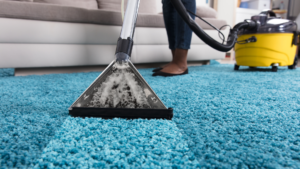
Hot water extraction uses high-pressure hot water to dissolve and flush out dirt from deep carpet fibers. It is effective for high-traffic areas as it removes soil and allergens while sanitizing the carpet.
Steam cleaning relies on steam heat to loosen dirt, killing bacteria and dust mites without heavy chemicals. This method can refresh worn fibers and reduce visible wear.
Both techniques require adequate drying time—usually 4 to 12 hours—to prevent mold growth. Using professional-grade equipment often ensures better penetration and moisture control than consumer machines.
Dealing With Embedded Dirt and Stains
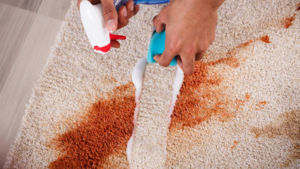
Embedded dirt needs aggressive cleaning beyond surface methods. Spot pre-treatment with enzyme-based or pH-balanced cleaners breaks down organic stains like food or pet accidents before overall cleaning.
For stubborn stains such as oil or ink, specific solvents target these compounds but require careful application to avoid damaging fibers. Regular deep cleanings prevent dirt compaction and prolong carpet life.
Routine maintenance includes immediate stain treatment and occasional grooming with a carpet rake to restore pile height after cleaning.
Choosing Between Professional and DIY Cleaning
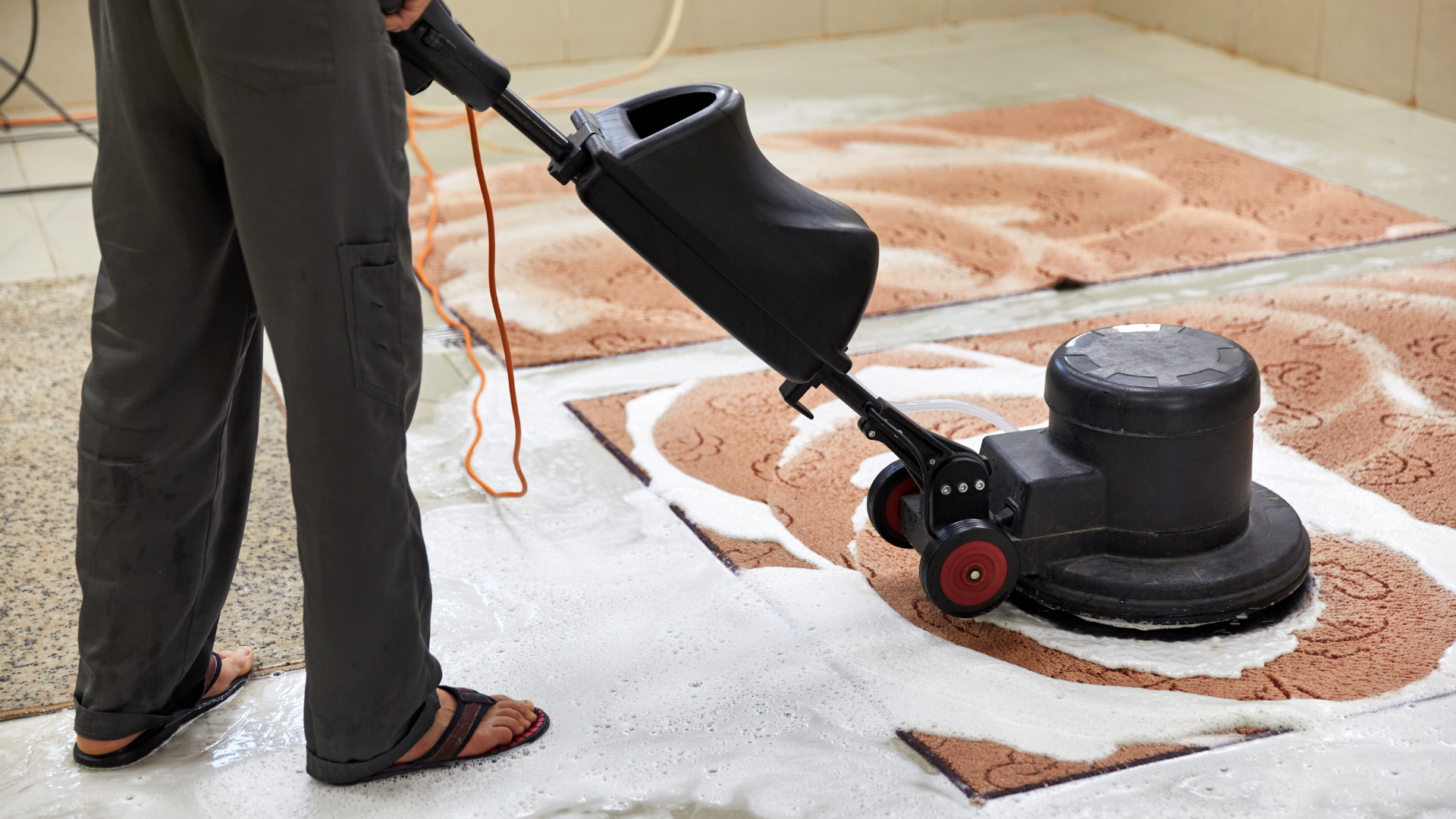
Professionals bring industrial-grade equipment and expertise to handle intense dirt and stain challenges. Their methods often leave carpets cleaner and drier faster, but come at a higher cost.
DIY options work well for minor dirt and regular upkeep. Consumer steam cleaners and rental hot water extraction machines are accessible but may lack the power or drying efficiency of professional units.
The choice depends on carpet age, traffic level, stain severity, and budget. Scheduling professional cleanings annually or biannually complements regular home maintenance.
Long-Term Protection and Prevention
Protecting carpets in high-traffic areas requires ongoing care and strategic choices that reduce wear and maintain appearance. Preventive measures like using protectants, placing area rugs, and rearranging furniture extend carpet life and lessen visible damage.
Carpet Protectants and Fiber Care
Applying a carpet protectant creates a barrier that repels dirt, liquids, and stains. These products often contain fluorochemical polymers that resist soil penetration, making routine cleaning easier and less harsh on fibers.
Regular fiber care is essential. Using mild detergents and avoiding harsh chemicals preserves fiber strength. Drying carpets quickly after cleaning prevents mildew and fiber degradation.
Professional treatments every 12-18 months help restore protectant layers and remove deeply embedded dirt. This process maintains the carpet’s resilience against heavy foot traffic and reduces premature fiber breakdown.
Using Area Rugs in High-Use Spaces
Area rugs placed over high-traffic zones absorb most wear and dirt, protecting the underlying carpet. Rugs made of durable materials like wool or synthetic blends handle foot traffic well.
They are easier to clean or replace than wall-to-wall carpet. Choosing rugs with non-slip pads prevents shifting and potential injury.
Position rugs strategically in entryways, hallways, and in front of furniture where traffic concentrates. This reduces direct wear and extends carpet life while allowing style flexibility without full carpet replacement.
Rotating Furniture to Minimize Wear
Rotating furniture redistributes foot traffic patterns, preventing concentrated wear in specific carpet zones. Changing seating arrangements every few months spreads pressure evenly.
Furniture leg pads also reduce indentations and fiber crushing, prolonging carpet texture. This practice helps maintain a uniform appearance and avoids worn paths around chairs or tables.
Keeping furniture movement moderate retains carpet condition and slows aging through consistent, balanced use over time.