
Pet odors can linger in carpets long after a pet has left the room, making homes smell unpleasant and feel less clean. The key to effectively removing pet odors is to address the source quickly and use the right combination of cleaning methods to neutralize and eliminate the smell.
Many common products temporarily mask odors but fail to remove them completely, allowing the issue to return. Proper cleaning techniques focus on breaking down organic compounds and preventing future buildup, helping maintain a fresh-smelling carpet.
Understanding which cleaning agents work best and how to apply them can save time and effort. This article shares practical tips for removing pet odors from carpets, helping homeowners restore comfort to their living spaces.
Immediate Steps for Treating Pet Odors in Carpets
Effective pet odor removal starts with handling the accident promptly and correctly. Timely actions to absorb moisture, apply cleaning agents, and prevent stains make a significant difference.
Blotting and Absorbing Fresh Accidents
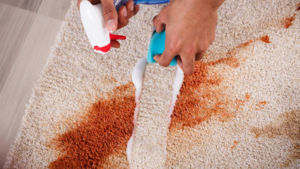
When a pet accident occurs, immediate blotting is critical. Use paper towels or a clean cloth to press gently against the wet spot. Avoid rubbing, as this spreads the stain and pushes it deeper into carpet fibers.
Applying pressure repeatedly helps absorb as much liquid as possible.
After blotting, sprinkle baking soda or a commercial absorbent powder over the area to draw out remaining moisture and neutralize odors. Leave it for 10-15 minutes before vacuuming. This step reduces the chance of odor buildup and prepares the carpet for deeper cleaning.
Using Homemade Solutions
Homemade cleaning solutions can be effective against pet odors if applied quickly. A widely recommended mix is:
- 1 cup white vinegar
- 1 cup water
- 2 teaspoons baking soda
Spray this onto the affected area and let it sit for 5-10 minutes. Vinegar breaks down odor-causing compounds, while baking soda neutralizes smells and absorbs moisture.
Avoid saturating the carpet too heavily to prevent mold. After treatment, blot dry and allow the carpet to air out completely. Testing the solution on an inconspicuous area first ensures it won’t discolor the carpet.
Importance of Quick Action
Immediate cleaning limits the chance of pet urine enzymes setting into carpet fibers and padding. The longer the urine sits, the harder it is to remove the odor fully.
Quick action prevents permanent discoloration and damage. Waiting too long allows bacteria to multiply, increasing odor intensity and complicating cleaning efforts.
Professionals often recommend treating accidents within minutes to preserve carpet quality and avoid costly stains. Responding quickly improves the success of any cleaning method used.
Effective Cleaning Methods for Carpet Odor Removal
Removing pet odors requires targeted treatments that neutralize smells rather than just masking them. Proper use of simple household products and specialized cleaners, combined with thorough vacuuming, yields the best results.
Baking Soda Application
Baking soda is a natural deodorizer that absorbs odors trapped in carpet fibers. It should be sprinkled evenly over the carpet, focusing on areas with visible stains or frequent pet activity.
Leave the baking soda on the carpet for at least 15 minutes, though for stronger odors, several hours or overnight is more effective. Afterward, vacuum thoroughly to remove the powder alongside the absorbed odor particles.
For best results, use a fine layer of baking soda and avoid over-applying, as this can make vacuuming difficult. Repetition may be necessary for stubborn smells.
Enzyme Cleaner Techniques
Enzyme cleaners break down organic matter, causing pet odors, such as urine and dander, rather than masking them. The cleaner must be applied directly to the affected spots according to the product instructions.
It’s critical to allow the enzyme cleaner to sit undisturbed for the recommended time, usually 10 to 30 minutes, to enable breakdown of odor-causing molecules. Avoid rinsing immediately, as this reduces effectiveness.
Using enzyme cleaners on fully dried spots may limit results; slightly damp carpets improve penetration. Use a cleaner specifically labeled for pet odors to target relevant proteins.
Vacuuming Best Practices
Vacuuming removes loose dirt, hair, and residues that contribute to carpet odors. It is essential to vacuum both before and after treatments like baking soda or enzyme cleaners.
Use a vacuum with strong suction and a rotating brush to reach deep into fibers. Empty the vacuum bag or container frequently to avoid reintroducing odors.
For high-traffic areas, vacuum daily until odors fade. Regular vacuuming complements cleaning methods and prevents the buildup of odor-causing debris.
Preventing Recurring Pet Odors
Addressing pet odors requires consistent effort beyond initial cleaning. Effective prevention depends on regular carpet care, pinpointing the exact causes, and managing pet behavior.
Routine Carpet Maintenance
Regular vacuuming is essential and should be done daily or at least several times a week. Pet hair and dander trap odors and allow bacteria to grow, so removing this debris promptly reduces odor buildup.
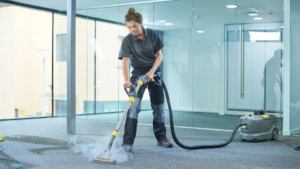
Using a vacuum cleaner with a HEPA filter improves airborne allergen capture. In addition to vacuuming, periodic steam cleaning every 3–6 months helps eliminate deep-set odors and bacteria that routine surface cleaning misses.
Spot cleaning accidents immediately with enzyme-based cleaners breaks down the organic material responsible for odors. Avoid harsh chemicals that can damage carpet fibers or cause pets to avoid cleaned areas.
Identifying Odor Sources
Not all pet odors come solely from accidents. Dogs and cats shed oils and saliva that accumulate in carpet fibers over time. Check areas where pets frequently rest or play.
Moisture trapped beneath the carpet from accidents or spills can create mold, another source of persistent smells. Use a moisture meter or lift carpet edges to examine dampness if odors persist.
Consider pets’ litter boxes, bedding, and feeding areas as potential odor origins. Regular cleaning of these zones helps prevent cross-contamination onto carpets.
Pet Training for Odor Prevention
Pets often contribute to recurring odors due to inconsistent toileting habits. Training them to use designated areas or pads minimizes carpet contamination.
Rewarding pets immediately after correct elimination reinforces good behavior. Redirect accidents promptly using calm, positive reinforcement rather than punishment.
Regular bathroom breaks and maintaining a consistent feeding schedule promote predictable elimination times. This helps owners monitor and manage potential odor sources before they spread.
When to Seek Professional Carpet Cleaning
Persistent pet odors can indicate deeper issues within carpet fibers or padding. Knowing when to handle it independently and when to hire a professional is crucial for effective odor removal and carpet care.
Recognizing Stubborn Odors
If the smell remains after multiple cleanings, it may have penetrated the carpet padding or subfloor. Stubborn odors often feel embedded, not masked by air fresheners or surface treatments.
Signs include:
- Odor returns within hours or days of cleaning
- Musty or ammonia-like smells persist
- Visible staining that cleaning products fail to remove
Such conditions suggest that DIY methods won’t fully address the problem. A professional with specialized equipment can access deeper layers and neutralize odors at the source.
Evaluating Professional Services
When selecting a service, check for:
- Use of enzyme-based cleaners specific to pet odors
- Availability of deep steam cleaning or hot water extraction
- Clear pricing and service guarantees
Request references or reviews focused on pet odor removal success. Professionals often offer odor neutralizers and carpet protectants as part of the treatment. Verifying experience with pet stains ensures the correct techniques and products are used.