Carpets accumulate dust, allergens, and stains over time, which can affect both their appearance and indoor air quality. Professional carpet cleaning helps maintain cleanliness and prolongs the life of the carpet. Most experts recommend having carpets professionally cleaned every 12 to 18 months to ensure they stay in good condition.
The frequency may vary depending on factors such as household size, presence of pets, and foot traffic. Homes with children or pets might benefit from more frequent cleanings, while less active areas can go longer between services.
Regular professional cleaning removes deep-set dirt that vacuuming alone cannot, making carpets healthier and more attractive. Understanding how often to schedule this service can help homeowners protect their investment and living environment.
How Often Should Carpets Be Professionally Cleaned?
Carpets require periodic professional cleaning to maintain hygiene and appearance. The frequency depends on household activity, manufacturer instructions, and visible wear or stains. Adjusting the schedule based on these factors helps protect carpet fibers and extends lifespan.
Recommended Cleaning Frequencies for Different Households
For average homes with low foot traffic, professional carpet cleaning every 12 to 18 months is generally adequate. Homes with children or pets should consider cleaning every 6 to 12 months due to increased dirt, allergens, and spills.
Commercial spaces or high-traffic areas may need deep carpet cleaning quarterly or biannually. Regular professional cleaning removes embedded dirt and allergens that vacuuming alone cannot address. People with allergies or respiratory conditions should increase cleaning frequency.
Vacuuming regularly between cleanings supports longevity but does not replace professional services designed to extract deep-soil and buildup.
Manufacturer Guidelines and Warranties
Many carpet manufacturers include cleaning instructions that influence warranty coverage. Typically, warranties require professional cleaning every 12 to 18 months to remain valid. Using certified professional carpet cleaners ensures compliance.
Ignoring these guidelines can void warranties, especially for carpets made of delicate fibers or specialty materials. Some warranties specify particular cleaning methods like hot water extraction.
Checking the warranty terms before scheduling professional cleaning helps avoid invalidating coverage. Always retain receipts and cleaning records as proof.
Signs Your Carpet Needs Earlier Cleaning
Visible stains, persistent odors, or a dingy appearance indicate a need for immediate professional cleaning. If carpets feel sticky or rough underfoot, soil accumulation is likely too high.
Pets can cause unexpected soiling or odors, requiring more frequent deep cleaning. Increased allergy symptoms among household members also signal the need for earlier intervention.
If the carpet sustains spills of food, drink, or chemicals, timely professional cleaning helps prevent permanent damage. Waiting can embed stains and degrade fibers beyond repair.
Key Factors That Influence Cleaning Frequency
The frequency of professional carpet cleaning depends on several important elements. These include how much the carpet is used, the presence of pets and children, health concerns like allergies, and the type of carpet fibers and colors.
Impact of Foot Traffic on Carpets
Carpets in high-traffic areas accumulate dirt, oils, and debris faster than those in less-used rooms. Entryways, hallways, and living rooms typically need more frequent cleaning due to continual wear and soil buildup.
Foot traffic increases the risk of fiber damage and dulling. Regular cleaning helps maintain carpet appearance and extends its lifespan. For heavy foot traffic, cleaning every 6 to 12 months is often recommended.
In low-traffic areas, carpets may need cleaning less often, such as once every 12 to 18 months. However, even minimal use can gather dust mites and allergens that require attention over time.
Effect of Pets and Children
Homes with pets present unique challenges for carpet maintenance. Pet hair, dander, and accidents introduce stains and odors that demand more frequent cleaning to avoid damage and maintain hygiene.
Children increase the chance of spills, crumbs, and dirt being tracked onto carpets. This can accelerate wear and encourage mold or bacteria if not cleaned regularly.
Pet owners and families with young children should consider professional cleaning every 3 to 6 months. This frequency helps remove allergens, dander, and potential contaminants to keep carpets safe and comfortable.
Health Issues: Allergies, Asthma, and Respiratory Conditions
Carpets can trap dust mites, pollen, pet dander, and other particles that affect allergy and asthma sufferers. These allergens accumulate over time, worsening indoor air quality.
People with hay fever, asthma, or respiratory issues benefit from frequent professional cleaning. It reduces irritants and helps create a healthier living environment.
For homes with health concerns, cleaning every 3 to 6 months is advised. Using treatments that minimize allergens during cleaning offers additional relief.
Carpet Fibers and Color Considerations
Different carpet fibers respond uniquely to dirt and cleaning methods. Natural fibers like wool resist stains but may require gentler cleaning techniques. Synthetic fibers often tolerate more frequent cleaning without damage.
Light-colored carpets show stains and dirt more easily, prompting more regular cleaning schedules. Darker carpets may conceal dirt but still harbor dust mites and allergens.
Carpet type and color influence both the timing and method of cleaning. Professionals adjust their approach based on these factors to preserve carpet quality and appearance.
Professional Carpet Cleaning Methods
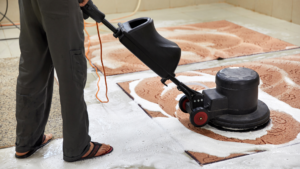
Professional carpet cleaning uses specific techniques to remove deep dirt, stains, and allergens effectively. These methods differ significantly from regular vacuuming and DIY cleaning, providing a thorough restoration of carpet fibers.
Hot Water Extraction and Steam Cleaning
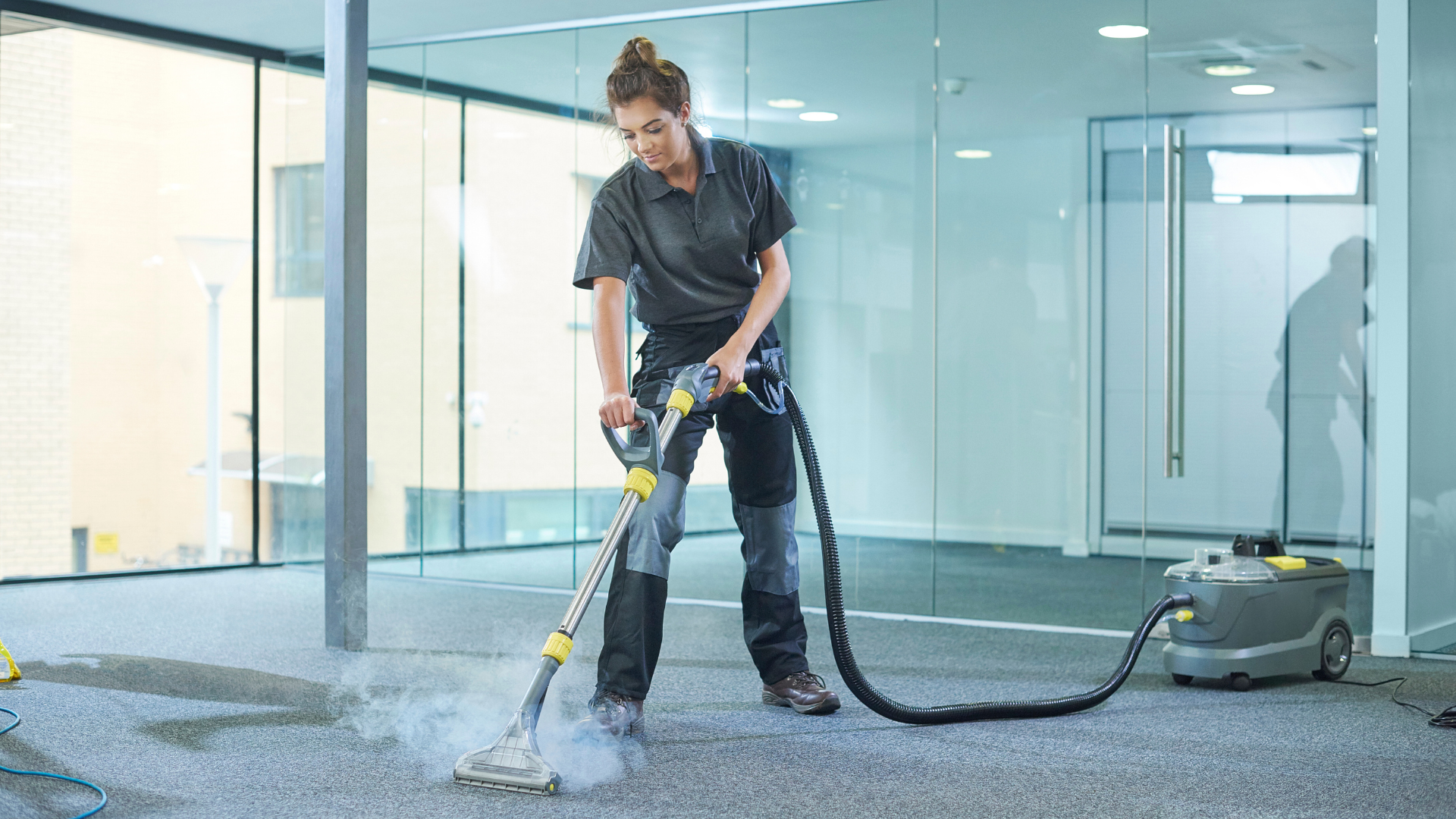
Hot water extraction, often called steam cleaning, involves injecting hot water combined with cleaning agents deep into the carpet fibers. The mixture loosens dirt and debris, which is then extracted with strong suction.
This method reaches far below the surface, removing embedded soil and allergens. It is considered the industry standard because it cleans thoroughly without damaging carpet materials. The high temperature also helps sanitize the carpet, killing dust mites and bacteria.
It requires professional-grade equipment to ensure proper water temperature and extraction power, preventing over-wetting and mold growth.
Benefits of Professional Deep Cleaning
Professional deep cleaning extends carpet life by removing grime that regular vacuuming misses. It restores carpet appearance and texture, preventing mats and worn spots.
Deep cleaning improves indoor air quality by reducing allergens, dust, and pet dander trapped in fibers. It also targets stubborn stains and odors, making carpets safer and more pleasant.
Professionals assess carpet type to choose the correct cleaning agents and method. This careful approach prevents color fading and fiber damage commonly caused by improper cleaning.
DIY vs. Professional Carpet Cleaning
DIY carpet cleaning uses rental machines or home products but often lacks the power of professional equipment. These machines cannot always maintain adequate heat or suction levels needed for effective deep cleaning.
Home methods may leave carpet damp longer, increasing mold risks. They often fail to remove all embedded dirt, resulting in quicker re-soiling and less improvement in air quality.
Professionals have experience and training to handle delicate materials and tough stains properly. While DIY can be cost-effective for light cleaning, professional services provide a deeper, safer, and longer-lasting clean.
Ongoing Carpet Maintenance and Health Benefits
Regular upkeep between professional cleanings helps maintain carpet appearance and reduces dust, allergens, and bacteria buildup. Attention to specific cleaning tools and methods can significantly affect indoor air quality and comfort, especially for allergy sufferers.
Vacuuming and HEPA Filter Use Between Professional Cleans
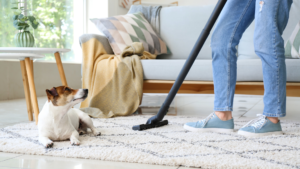
Frequent vacuuming is essential to keep carpets free from dirt and allergens. Using a vacuum equipped with a HEPA filter traps up to 99.97% of particles as small as 0.3 microns, including pet dander, dust mites, and pollen.
Vacuuming high-traffic areas at least two to three times per week limits dust accumulation. For homes with pets or allergy sufferers, daily vacuuming may be necessary. Using slow, overlapping strokes improves dirt removal efficiency.
A HEPA filter vacuum reduces particles that otherwise recirculate into the air. Maintaining vacuum filters by cleaning or replacing them regularly ensures continued effectiveness.
Improving Indoor Air Quality
Carpets can both trap pollutants and release them into the air over time. Regular cleaning and maintenance reduce the concentration of airborne allergens and improve overall indoor air quality.
Poorly maintained carpets increase exposure to dust mites, mold spores, and pet allergens, which can trigger asthma and allergy symptoms. Removing these contaminants regularly helps reduce respiratory irritation.
Creating a routine that combines professional deep cleaning with effective daily maintenance limits allergen buildup. Air quality monitors can help track improvements tied to carpet care routines.
Spot Cleaning and Preventive Care
Promptly addressing spills prevents stains from setting and inhibits the growth of mold or bacteria beneath the carpet surface. Using appropriate cleaning agents for specific stains reduces damage.
For everyday protection, placing mats at entrances and encouraging shoe removal limits tracked-in dirt. Regular furniture rotation minimizes wear patterns and maintains carpet fibers.
Preventative care also involves checking for loose threads or damage and repairing these early. Spot cleaning combined with routine maintenance extends carpet life and supports a healthier living environment.