
Carpets can accumulate dirt, dust, and stains over time, making a deep clean essential for maintaining a fresh and healthy home environment. Many believe professional services are the only option, but effective deep cleaning can be done without one. Using common household tools and products, it is possible to thoroughly clean carpets and extend their lifespan.
A step-by-step approach that includes vacuuming, spot treatment, and steam cleaning can remove dirt and allergens embedded deep within carpet fibers. With the right techniques, anyone can achieve a cleaner carpet that looks and feels better. This guide explains practical methods to deep clean carpets without hiring professionals.
Essential Preparations for Deep Cleaning Carpets
Before deep cleaning, it is critical to have the right items and clear the cleaning area effectively. This ensures the process goes smoothly and delivers the best results.
Gathering Supplies and Tools
A basic deep cleaning setup includes a carpet cleaner or a steam cleaner, carpet cleaning solution, stain remover, and scrub brushes. Using a vacuum cleaner with strong suction is essential to remove dirt before wet cleaning.
Protective gloves and knee pads are helpful for prolonged cleaning sessions. It is important to pick a cleaning solution suitable for the carpet material to avoid damage or discoloration.
Using microfiber cloths or towels aids in blotting excess moisture. An old toothbrush or stiff brush can help tackle tough stains. Having a spray bottle filled with water helps in rinsing and diluting solutions.
Clearing and Vacuuming the Area
All furniture and items should be removed from the carpet to access the entire surface. This prevents obstruction and allows for uniform cleaning.
Vacuuming thoroughly is necessary to pick up loose dirt, pet hair, and debris. Vacuum each section multiple times, paying special attention to high-traffic zones.
Edges and corners often trap dust and require extra passes. Removing dust beforehand reduces the chance of dirt spreading during deep cleaning.
If necessary, spot test the cleaning solution on a small hidden area to check for colorfastness after vacuuming.
Effective Methods to Deep Clean Carpets Without a Professional
Deep cleaning carpets at home involves several practical steps, including thorough manual scrubbing, targeted stain removal, dry cleaning methods, and natural deodorizing techniques. Each method addresses different aspects of carpet care for a cleaner and fresher floor.
Manual Cleaning with Household Cleaners
Manual cleaning requires basic materials like a stiff brush, vacuum, warm water, and common household cleaners such as dish soap or white vinegar. The carpet should first be thoroughly vacuumed to remove loose dirt and debris.
For cleaning, mix a solution of one cup of warm water with a teaspoon of dish soap. Lightly dampen the brush with the solution and scrub the carpet fibers gently. Avoid soaking the carpet to prevent mold or damage.
After scrubbing, use a clean cloth or sponge dampened with plain water to blot the area, removing soap residue. Allow the carpet to dry completely, using fans or open windows to speed up the process.
Spot Treatment for Stains
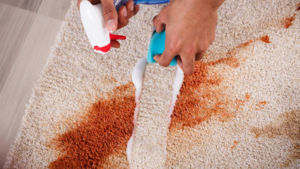
For stain removal, it is important to act quickly. Blot, don’t rub, the stain with a clean cloth to absorb excess liquid.
Make a cleaning solution by mixing equal parts white vinegar and water, then apply it to the stained area using a spray bottle or cloth. Let it sit for 5–10 minutes before blotting with a dry cloth.
For tougher stains like grease or ink, use a small amount of rubbing alcohol applied with a cotton ball. Always test cleaning agents on an inconspicuous carpet spot first to avoid discoloration.
Dry Carpet Cleaning Techniques
Dry carpet cleaning uses absorbent materials to clean without water, reducing drying time and preventing mold growth. One popular method involves spreading a dry powder or baking soda across the carpet.
Let the powder sit for 20-30 minutes to absorb oil and dirt, then vacuum thoroughly. Commercial dry cleaning powders may also contain detergents to improve cleaning.
Another option is to use a carpet rake or brush to loosen dirt and deepen powder penetration before vacuuming. This technique is best for maintenance cleaning rather than heavy soil.
Deodorizing Carpets Naturally
Neutralizing odors in carpets can be done with simple household items. Baking soda is a common and effective deodorizer. Sprinkle a generous layer evenly across the carpet surface.
Let it sit for several hours or overnight to absorb smells, then vacuum thoroughly. Adding a few drops of essential oils like lavender or eucalyptus to the baking soda can provide a pleasant scent without harsh chemicals.
Another natural method includes placing bowls of white vinegar around the room to absorb airborne odors. This does not clean the carpet but helps in improving overall room freshness.
Step-by-Step Guide to Deep Clean Different Types of Carpets
Effective deep cleaning depends on the carpet’s fiber type and usage patterns. Different materials require specific cleaning agents and techniques to avoid damage while removing dirt and stains thoroughly.
Deep Cleaning Synthetic Carpets at Home
Synthetic carpets, like nylon or polyester, tolerate water and most cleaning solutions well. Begin by vacuuming thoroughly to remove loose dirt and debris.
Mix warm water with a few drops of mild detergent or carpet shampoo. Test the solution on a small, hidden area before full application. Use a soft-bristle brush to scrub the carpet gently, focusing on stained spots.
Rinse with clean water to remove soap residue, then blot with towels to absorb moisture. Allow the carpet to air dry completely before walking on it. Avoid excessive water to prevent mold growth.
Safely Cleaning Wool and Natural Fiber Carpets
Wool and natural fiber carpets need more careful treatment to avoid shrinkage and fiber weakening. Start by vacuuming carefully to lift surface dirt without pulling fibers.
Use a cleaning solution made specifically for wool or mix cold water with a gentle wool detergent. Avoid harsh chemicals or hot water. Lightly apply the solution with a sponge or cloth, working in small sections.
Blot with a clean cloth to lift dirt and repeat if necessary. Do not saturate the carpet; wool absorbs moisture slowly. Air dry naturally, away from direct sunlight or heat sources to prevent damage.
Treating High-Traffic Areas and Runners
High-traffic areas accumulate more dirt and may require more frequent deep cleaning. Vacuum daily to keep dirt from embedding deeply into the fibers.
For spot treatment, use a stronger solution suited to the carpet type, but avoid over-saturation. Scrub gently with a soft brush and blot excess moisture quickly.
Runners should be lifted and cleaned underneath to remove trapped dirt and dust. Rotate runners regularly to distribute wear evenly and extend their life. Using carpet protectors can help reduce future stains.
Ongoing Carpet Care and Maintenance Tips
Maintaining a deep-cleaned carpet requires attention to drying, cleaning frequency, and stain prevention. Proper care extends carpet life and preserves cleanliness between thorough cleanings.
Drying and Ventilating After Cleaning
After deep cleaning, carpets need proper drying to prevent mold and mildew growth. Open windows and use fans to increase air circulation. If possible, run a dehumidifier to reduce moisture faster, especially in humid environments.
Avoid walking on the carpet until fully dry to prevent dirt from sticking. Drying time can range from 6 to 24 hours, depending on carpet thickness and ventilation. Using a wet vacuum can also help remove excess water immediately after cleaning.
Frequency of Deep Cleaning
Carpets should be deep-cleaned every 12 to 18 months under normal conditions. High-traffic areas or homes with pets may require cleaning every 6 to 12 months. Regular vacuuming weekly reduces buildup and extends the time between deep cleans.
Setting a cleaning schedule helps maintain appearance and hygiene. Scheduling more frequent cleanings in seasonal cycles can address increased dirt during certain times of the year.
Preventing Future Dirt and Stains
Use door mats and ask people to remove shoes before entering to reduce tracked-in dirt. Applying a carpet protector spray after cleaning creates a barrier against stains and makes routine cleaning easier.
Address spills immediately using a clean cloth and appropriate stain remover. Avoid harsh chemicals that can damage fibers. Regularly rotate furniture to prevent uneven wear and indentations in the carpet.