Many people attempt to clean carpets without knowing the common mistakes that can cause damage or ineffective results. Using harsh chemicals, scrubbing too hard, or neglecting to test cleaning products can worsen stains or harm carpet fibers. Avoiding these errors is essential to maintaining carpet appearance and extending its lifespan.
Improper drying is another frequent issue that leads to mold or persistent odors. Rushing the process or ignoring instructions on cleaning solutions can leave carpets damp for too long. Learning key techniques helps prevent these problems and ensures a thorough clean that preserves carpet quality.
Fundamental Carpet Cleaning Mistakes to Avoid
Effective carpet maintenance depends on consistent efforts and proper techniques. Ignoring key practices can reduce a carpet’s lifespan, promote mold growth, and lead to stubborn stains.
Skipping Regular Vacuuming
Failing to vacuum carpets frequently is a common mistake that significantly affects carpet condition. Dirt and debris accumulate within the fibers, causing wear and diminishing carpet appearance.
Regular vacuuming removes surface and embedded particles, which prevents abrasive damage. Experts recommend vacuuming high-traffic areas at least two to three times a week and less-used spaces once a week.
Using a vacuum with strong suction and a rotating brush improves dirt removal. Neglecting this step often results in shorter carpet lifespan and increased cleaning costs.
Neglecting Immediate Stain Treatment
Delaying stain removal allows substances to set and penetrate deeper into carpet fibers. This complicates later cleaning efforts and may require harsh chemicals or professional intervention.
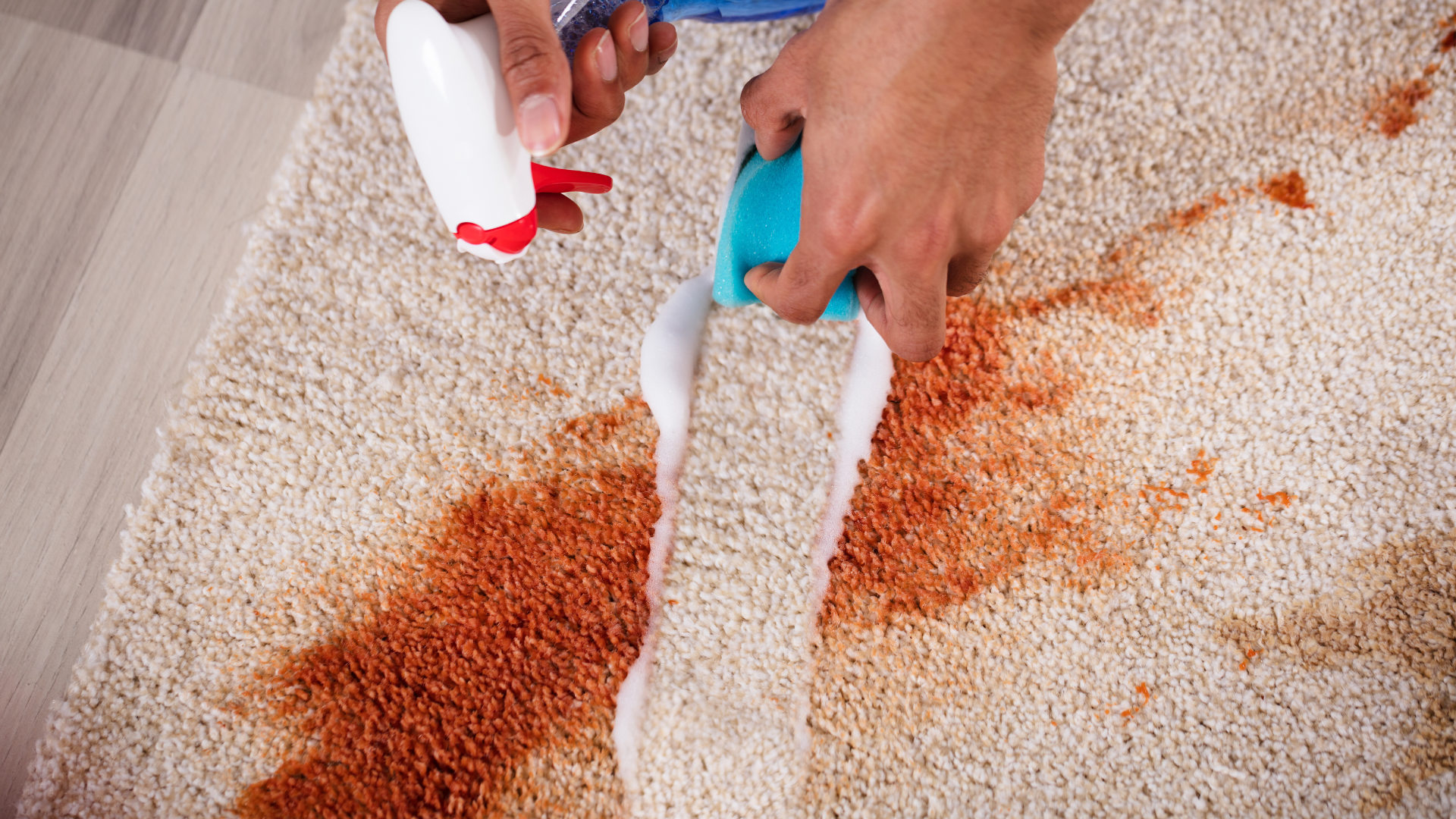
Prompt action with appropriate cleaning solutions can prevent permanent marks. It is essential to blot stains gently rather than rubbing, which spreads the stain and damages fibers.
Knowing the stain source helps select proper cleaners. For example, carpet cleaner products vary for pet stains, food spills, or ink marks. Immediate treatment reduces long-term damage.
Over-Wetting the Carpet
Using excessive water during carpet cleaning often causes problems such as prolonged drying times and mold growth. Over-wetting saturates padding, creating a humid environment ideal for mildew.
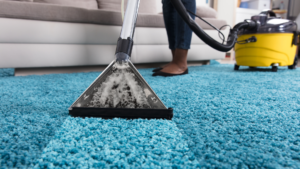
Carpet cleaners should use moderate water levels and employ extraction tools to remove moisture promptly. Surface cleaning without thorough drying increases the risk of odors and structural damage.
Allowing carpets to dry fully within 24 hours is crucial, especially in humid climates. Proper moisture control safeguards carpet integrity and prevents costly repairs.
Mistakes with Cleaning Products and Methods
Carefully selecting and using cleaning products is crucial to avoid damaging carpets or leaving residues. Proper application methods also affect the effectiveness and safety of the cleaning process.
Using the Wrong Cleaning Products
Many people use cleaning products not designed for carpets, which can cause discoloration, fiber damage, or lingering odors. Products containing bleach or harsh chemicals are especially risky and should be avoided.
Carpet manufacturers often recommend pH-neutral cleaners or specifically formulated carpet cleaning solutions. Testing any product on a small, hidden area before full application can prevent irreversible damage.
Using homemade or generic cleaners without verifying their compatibility increases the chance of poor results or damage. Sticking to professional-grade or approved products reduces the risk of carpet cleaning mistakes related to product choice.
Applying Excess Cleaning Solution
Applying too much cleaning solution saturates the carpet fibers and backing, leading to long drying times and potential mold growth. Excess moisture also weakens adhesive materials under the carpet.
Users should follow product instructions for dilution ratios and application amounts. Using a spray bottle or a controlled applicator helps distribute cleaner evenly without oversaturation.
After applying the solution, it’s important to extract or blot the excess moisture promptly. Overuse of cleaning products can leave sticky residues that attract dirt faster, shortening the carpet’s lifespan.
Rubbing Stains Instead of Blotting
Rubbing a carpet stain spreads it further into the fibers and damages the carpet pile structure. This action can make removal more difficult and worsen the carpet’s appearance.
Blotting involves gently pressing a clean cloth or paper towel onto the stain to absorb it without spreading. Replacing the cloth regularly prevents reapplying the stain back onto the carpet.
Using this method carefully helps lift the stain and reduces the need for harsh cleaning products or aggressive scrubbing. Proper stain handling is one of the most effective ways to avoid common carpet cleaning mistakes.
Professional Care and Long-Term Carpet Maintenance
Proper carpet care extends its lifespan and prevents damage like mold and mildew. It requires more than regular vacuuming—professional cleaning and careful drying practices are vital. Testing cleaning solutions before use can protect fibers and colors from harm.
Neglecting Professional Carpet Cleaning
Skipping professional carpet cleaning reduces the carpet’s durability. Professionals use specialized equipment that removes deep dirt and allergens beyond home vacuuming capabilities. This process prevents buildup that can degrade fibers and shorten the carpet’s lifespan.
Regular professional cleaning also eliminates bacteria and allergens that cause odors and health issues. Experts can adjust treatments depending on carpet type, ensuring effective yet gentle care. Avoiding this step risks permanent staining and fiber damage from improper at-home methods.
Improper Carpet Drying
Carpets that remain damp for extended periods invite mold and mildew growth. These fungi damage fibers and pose health risks, including allergic reactions and respiratory problems. Quick, thorough drying is necessary after cleaning.
Using fans, dehumidifiers, and opening windows speeds drying. Avoid walking on wet carpets to prevent dirt from embedding. Carpet cleaning professionals often include drying techniques in their service to prevent moisture damage.
Forgetting to Test Cleaning Solutions
Using untested cleaning products can cause discoloration or fiber weakening. Different carpet materials react uniquely to chemicals, so spot testing is essential on an inconspicuous area. This step protects the carpet from irreversible damage.
A simple test involves applying a small amount of solution to a hidden section and waiting 24 hours. If no color change or fiber damage appears, the product is safe to use. Skipping this step can result in costly repairs or carpet replacement.
Practical Tips for Cleaner, Longer-Lasting Carpets
Proper care extends carpet lifespan and maintains appearance. This involves using the right cleaning products and adjusting routines based on conditions.
Following Manufacturer Guidelines
Carpet manufacturers provide specific instructions for cleaning and maintenance. Ignoring these can void warranties and cause damage.
He or she should always check the label for recommended cleaning products and methods. For example, some carpets require mild detergents or dry cleaning rather than heavy moisture.
Using harsh chemicals or abrasive brushes risks fiber damage. Vacuuming frequency, spot cleaning approaches, and professional cleaning intervals are often specified. Sticking to these guidelines protects carpet fibers and preserves color.
Seasonal Carpet Care Adjustments
Carpet care routines should adapt to seasonal changes. During winter, increased moisture and dirt from boots require more frequent vacuuming and spot cleaning.
In spring and fall, pollen and dust can accumulate, so using a HEPA filter vacuum helps reduce allergens. Summer may call for deeper cleans to remove outdoor debris.
Adjusting humidity levels and promptly addressing spills prevent mold and odors. These seasonal steps protect carpet quality and extend its functional life.